Why balcony storage uses LiFePO4
Cycle life, safety and cold weather: the three numbers to read on a battery datasheet.
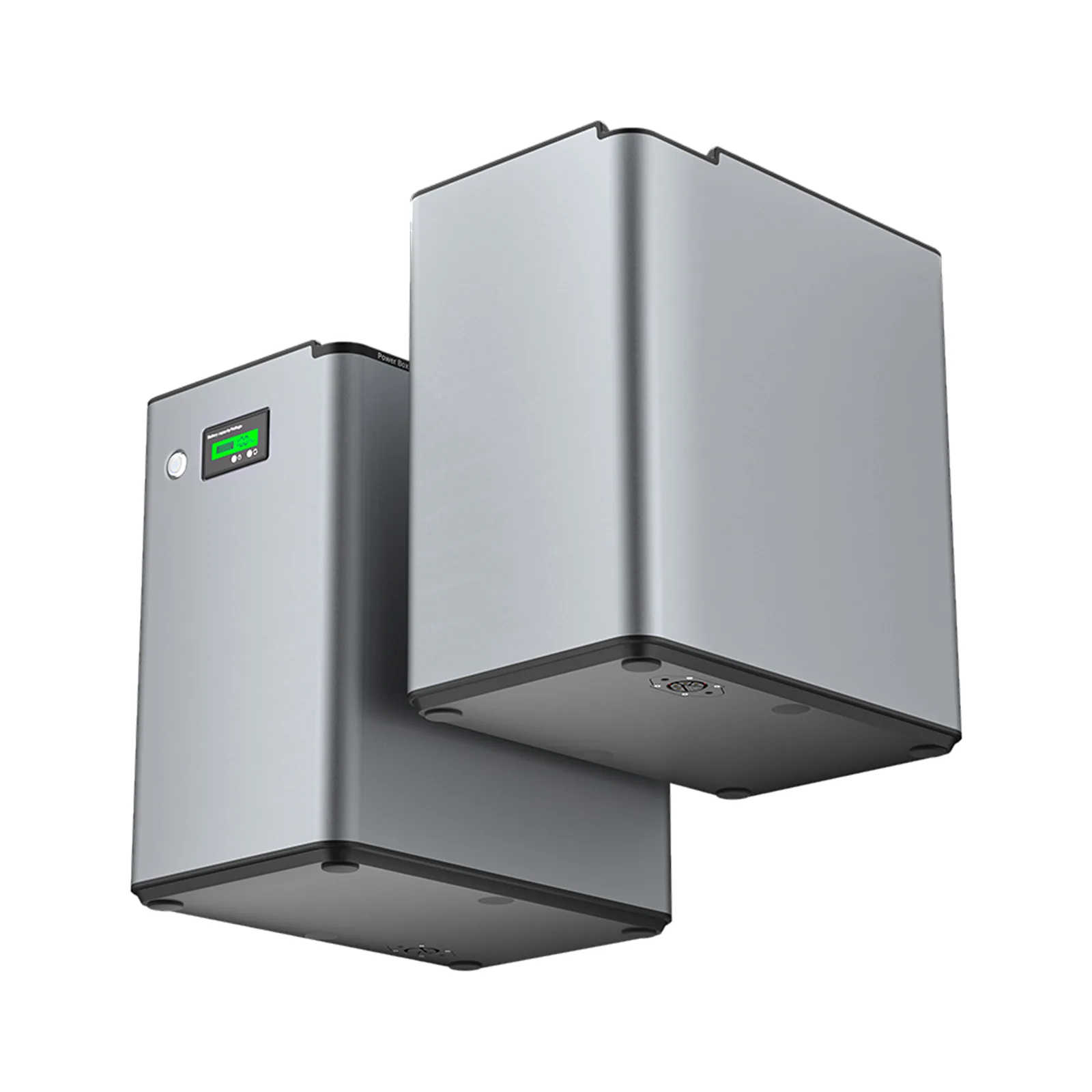
A storage battery on a balcony is charged and discharged almost every day and stands next to a living room. That decides the chemistry. Lithium iron phosphate (LiFePO4, LFP) is heavier than the NMC cells used in cars and phones, but it lasts longer and tolerates abuse better.
Cycle life
The Power Box is rated for 6000 cycles. One full cycle a day is sixteen years of daily use. When you compare datasheets, check the conditions behind the number: depth of discharge, temperature and the capacity left at the end.
Safety
LFP cells release far less heat when they fail and do not feed a fire with oxygen from the cathode. The battery management system still matters: it watches every cell and disconnects on over-voltage, over-current and over-temperature. Look for UN38.3 and the CE documents in the download centre.
Cold weather
| State | Temperature range |
|---|---|
| Discharging | −20 … 60 °C |
| Charging | 0 … 55 °C |
| Charging with optional heating | below 0 °C |
No lithium battery should be charged below freezing. A battery that stays outdoors in winter needs the heating option, or it simply waits until the cells are warm enough.
See the full specification.
Power Box LS-L2048